
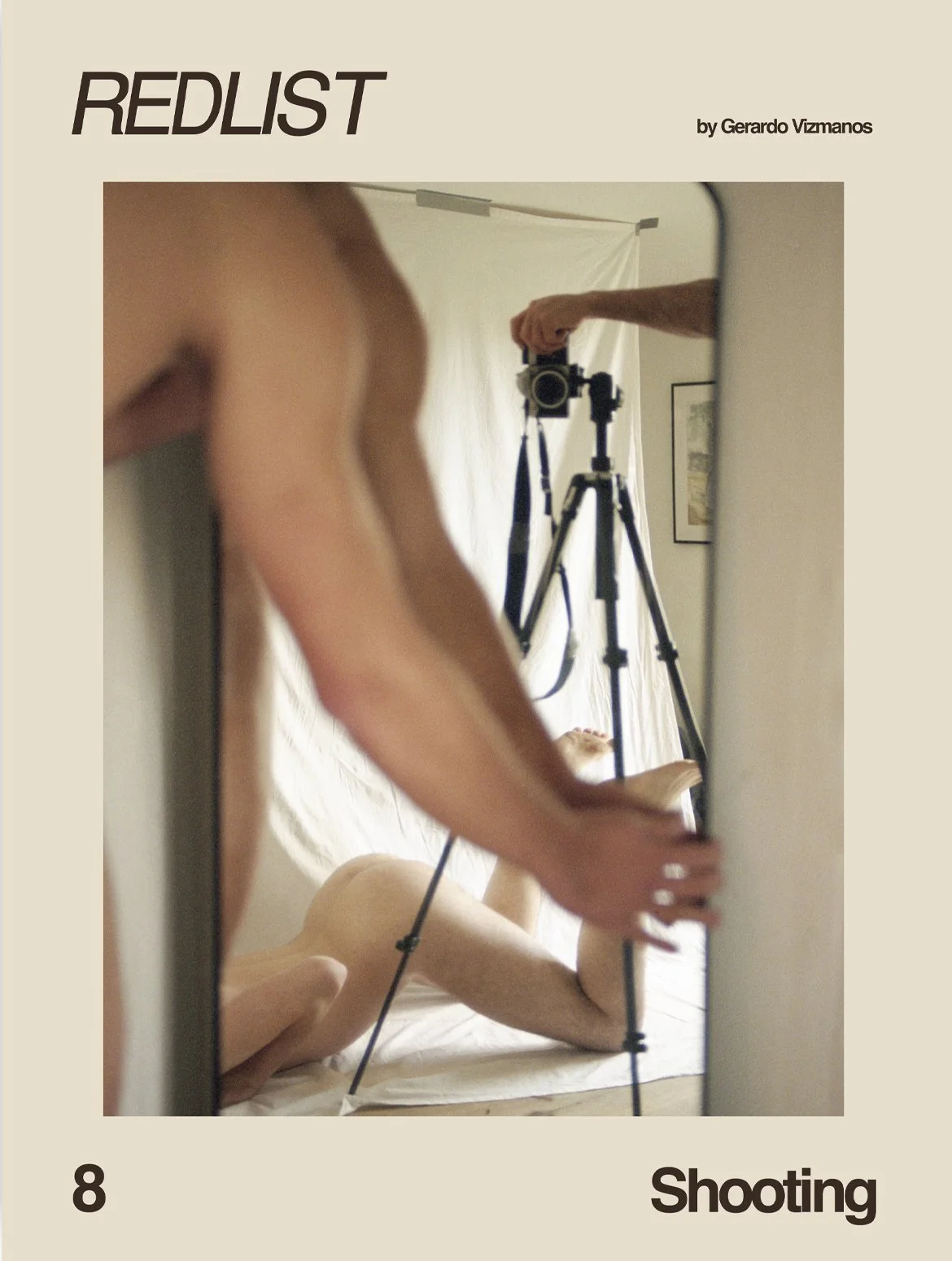
Redlist 8. Shooting
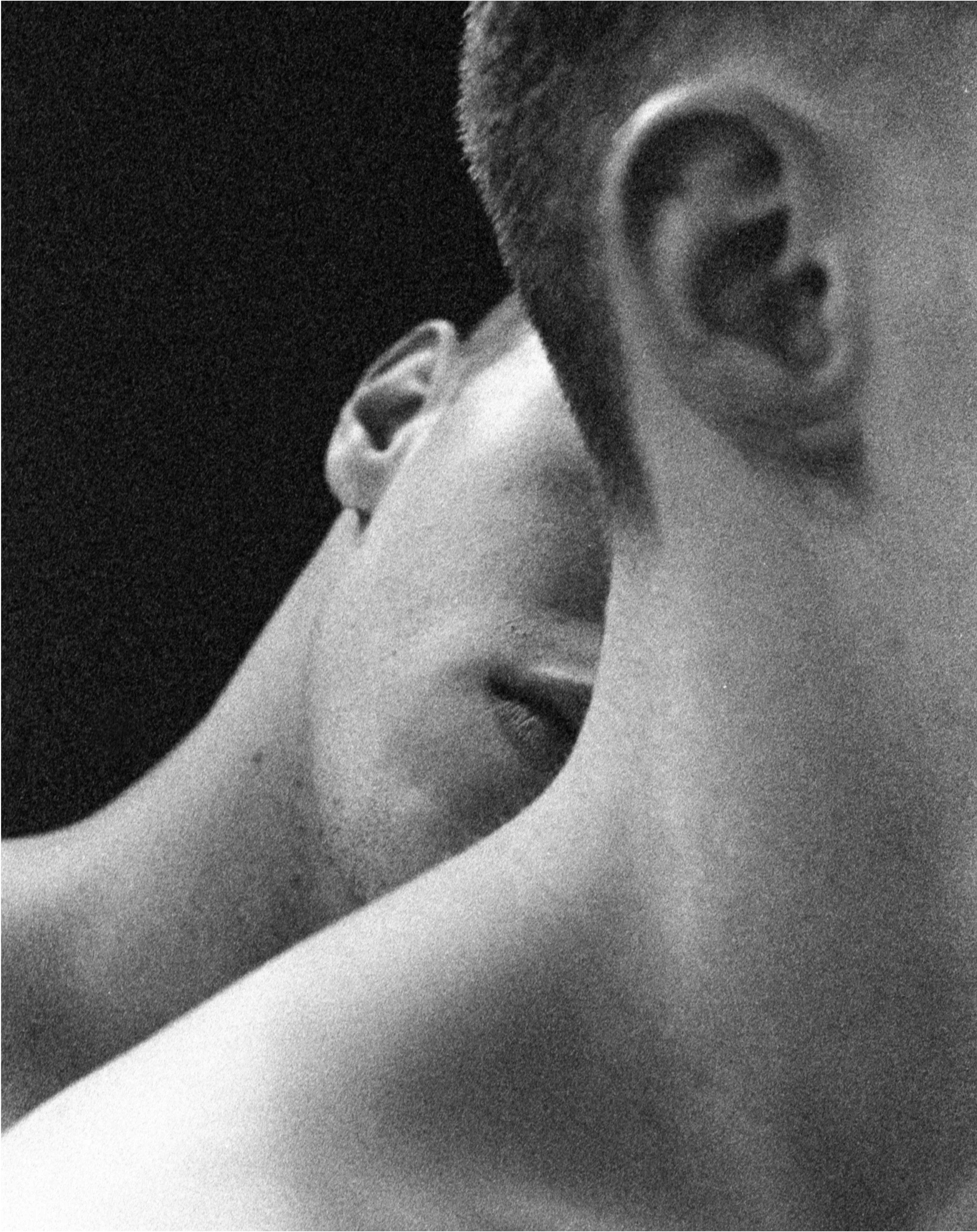
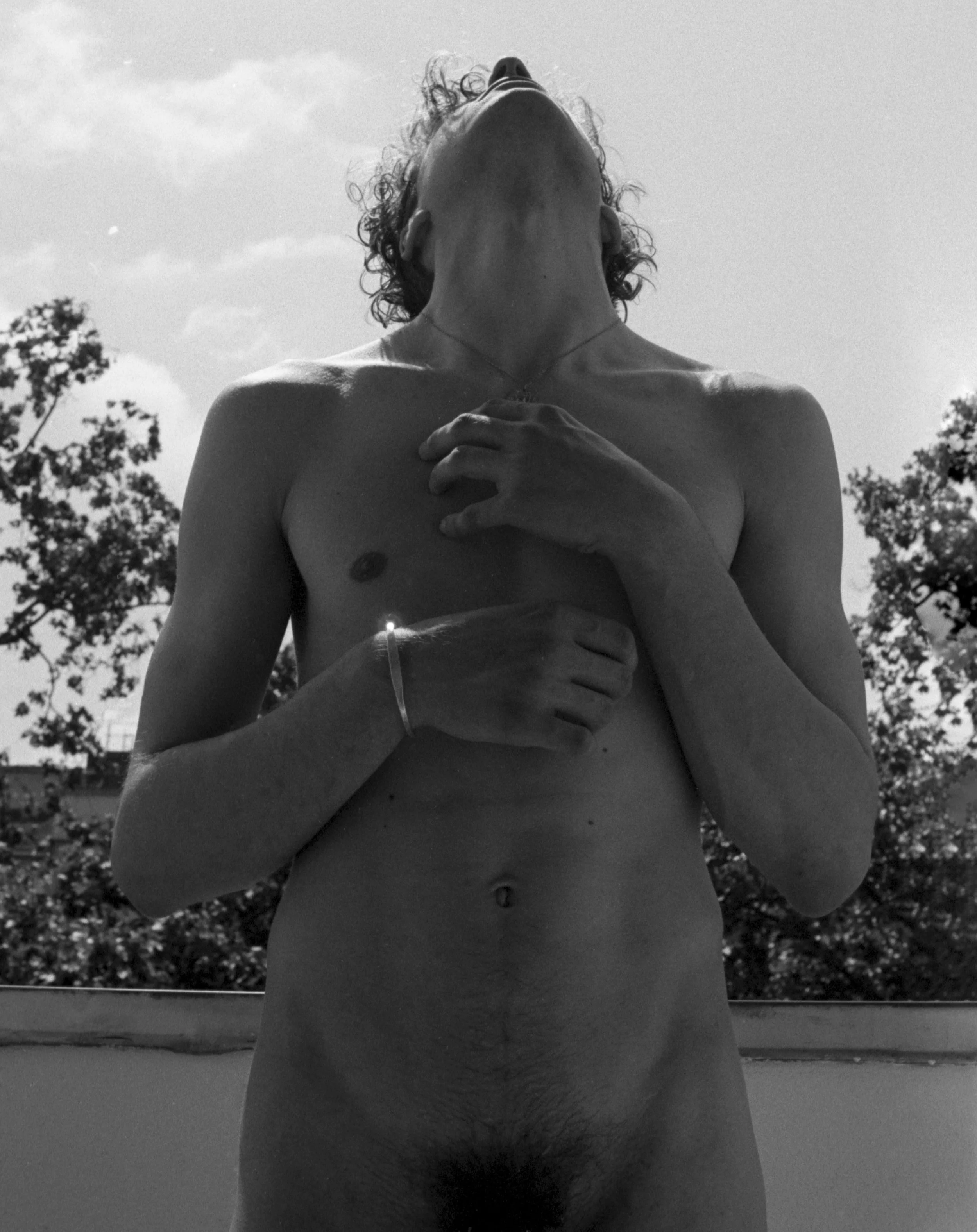
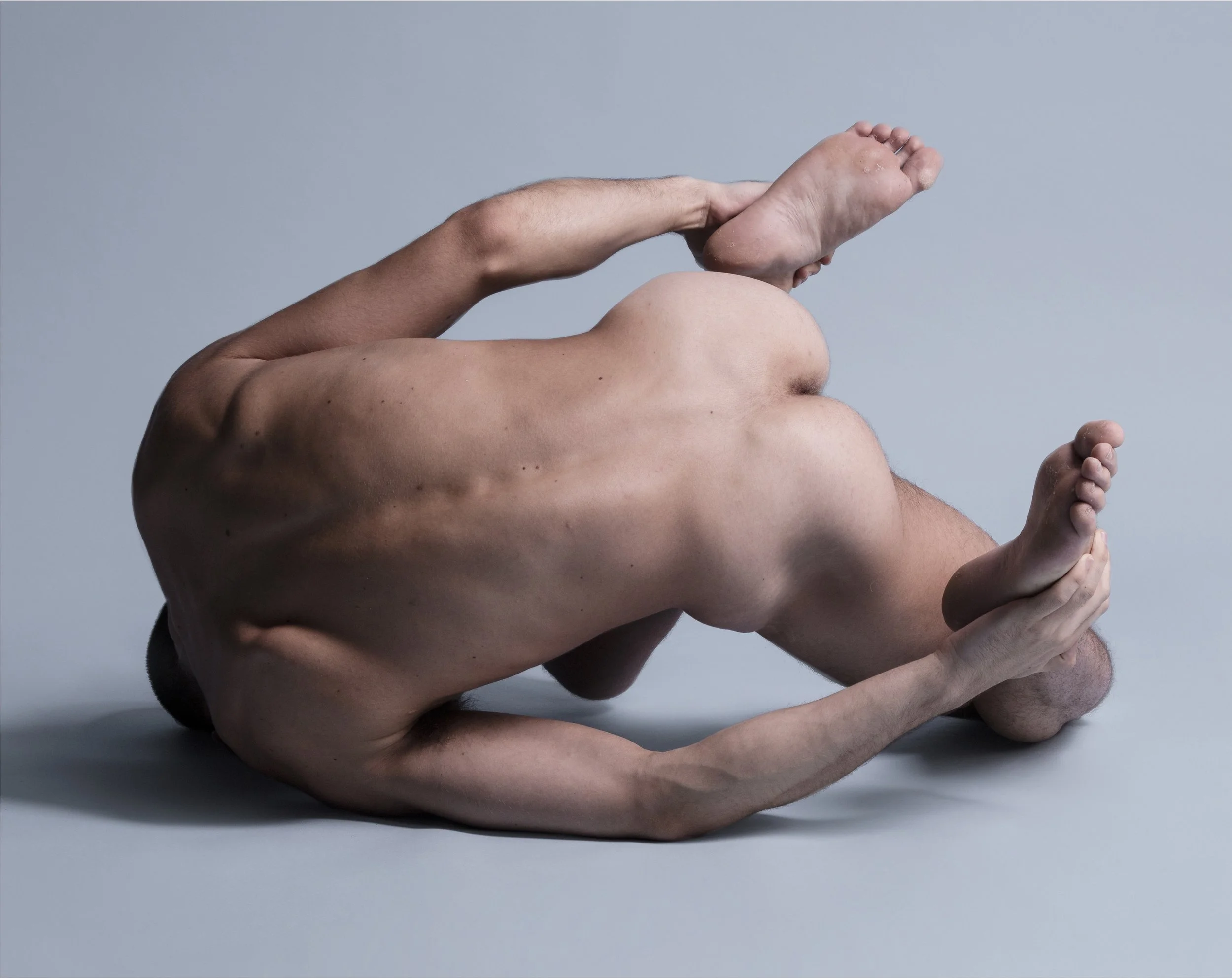
Through four photographic stories, the NEW issue 8 of REDLIST explores how time, each person’s position in relation to the camera, the circumstances of the encounter, and chance shape the moment a photograph is taken.
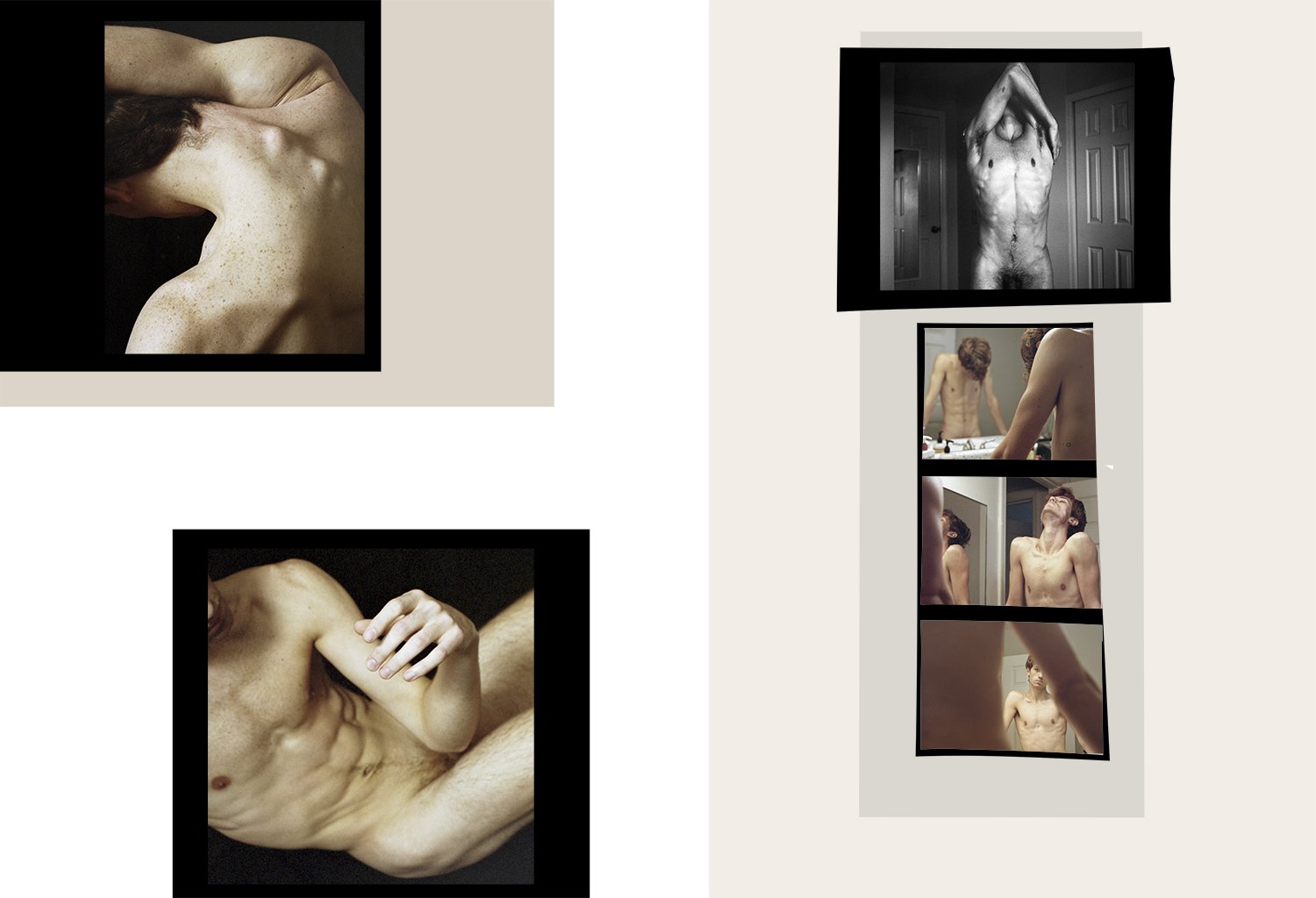
Access
Every photograph requires access to its subject. This does not only mean traveling somewhere specific or entering someone’s private space. If we photograph the view from our bedroom window, we are standing there, we have access to that place. But photographs do not only require access to physical locations. They also require access to intimacies, memories, and contexts that may be impossible for someone else to see. Access is not only external, it also exists within the photographer’s mind and may be in conflict with their own desires, contradictions, or vulnerabilities, not only with those of the people or places being photographed.
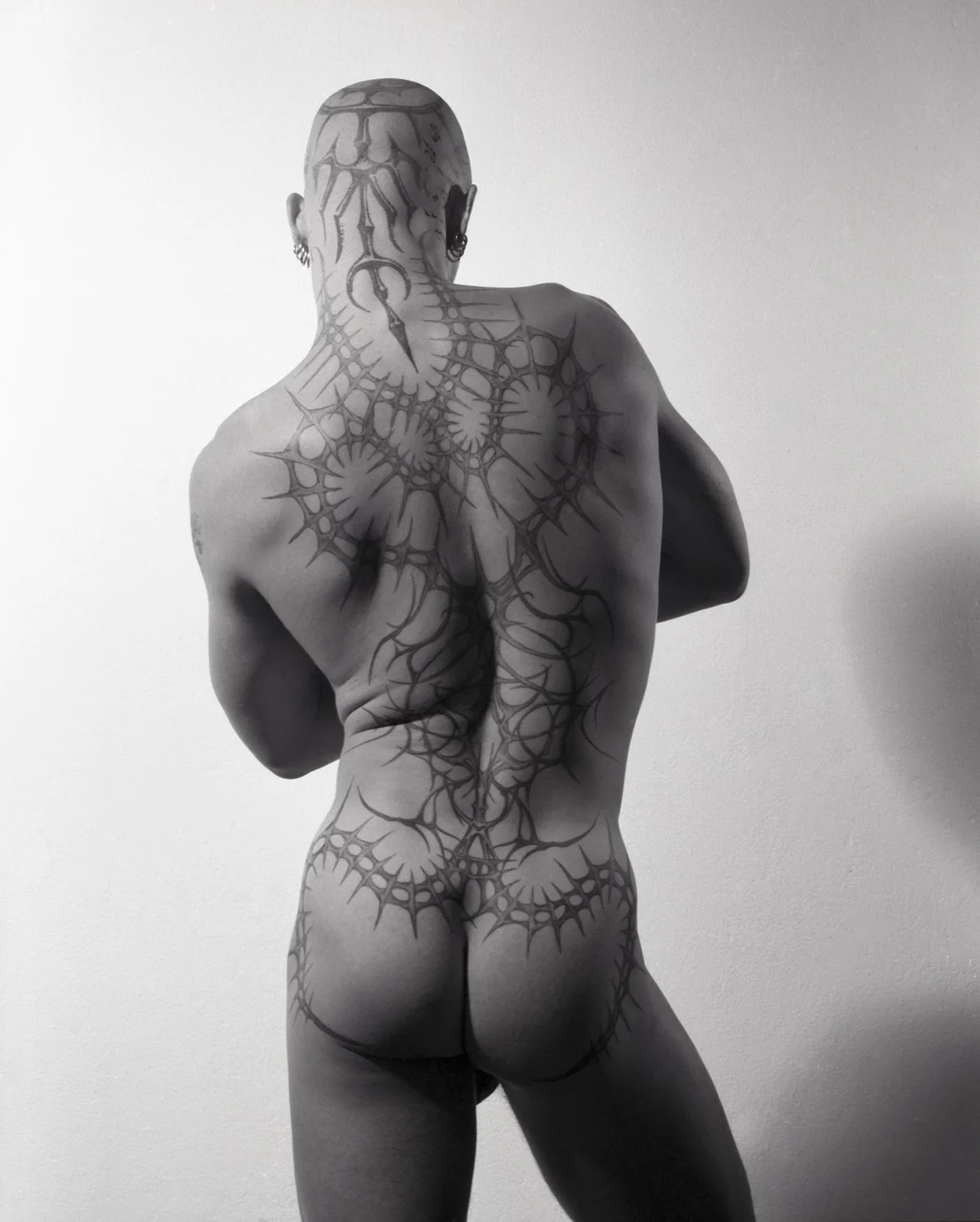
Printing the Skin in Redlist 7
For many years, I photographed almost no one with tattoos. It was a decision that was only partly conscious. The absence of tattoos in my photographs was not solely a matter of aesthetics, nor was there anything in my work that was incompatible with them. Photography is essentially a representation of invisible things, and I probably found it difficult to see tattoos as invisible. They seemed, in a certain sense, already visible. But over time, this began to change, and that shift is one of the threads running through this series, SKIN.
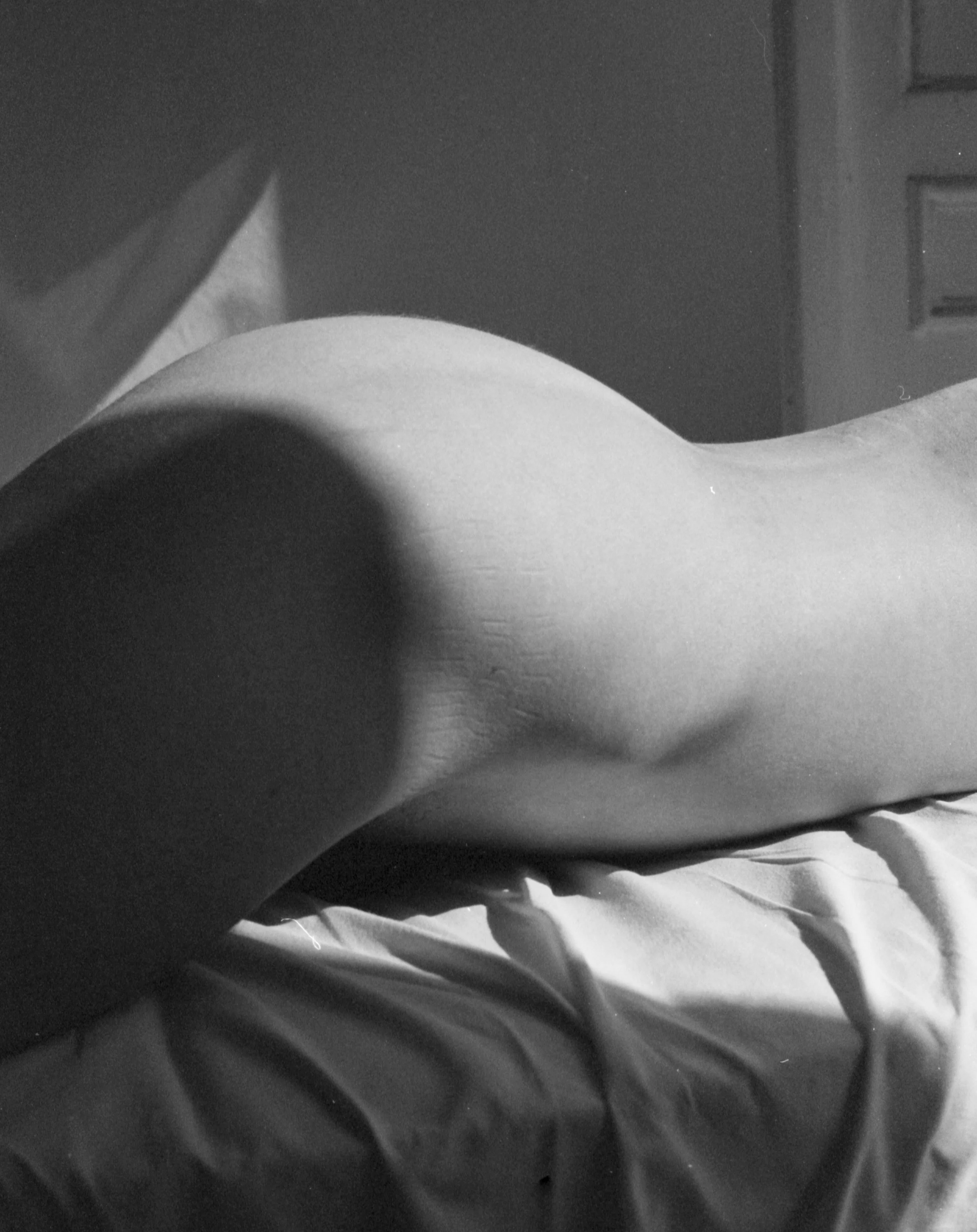
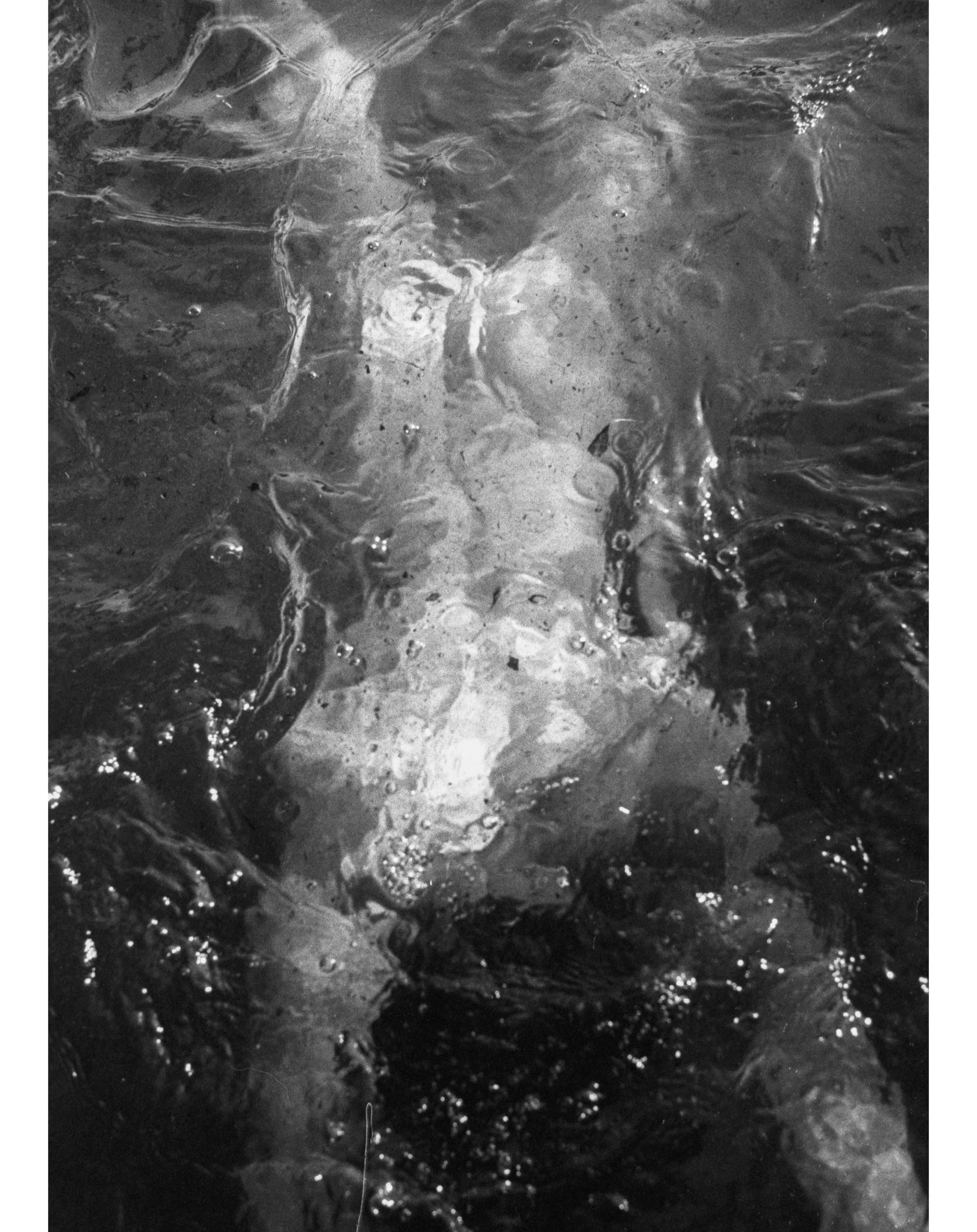
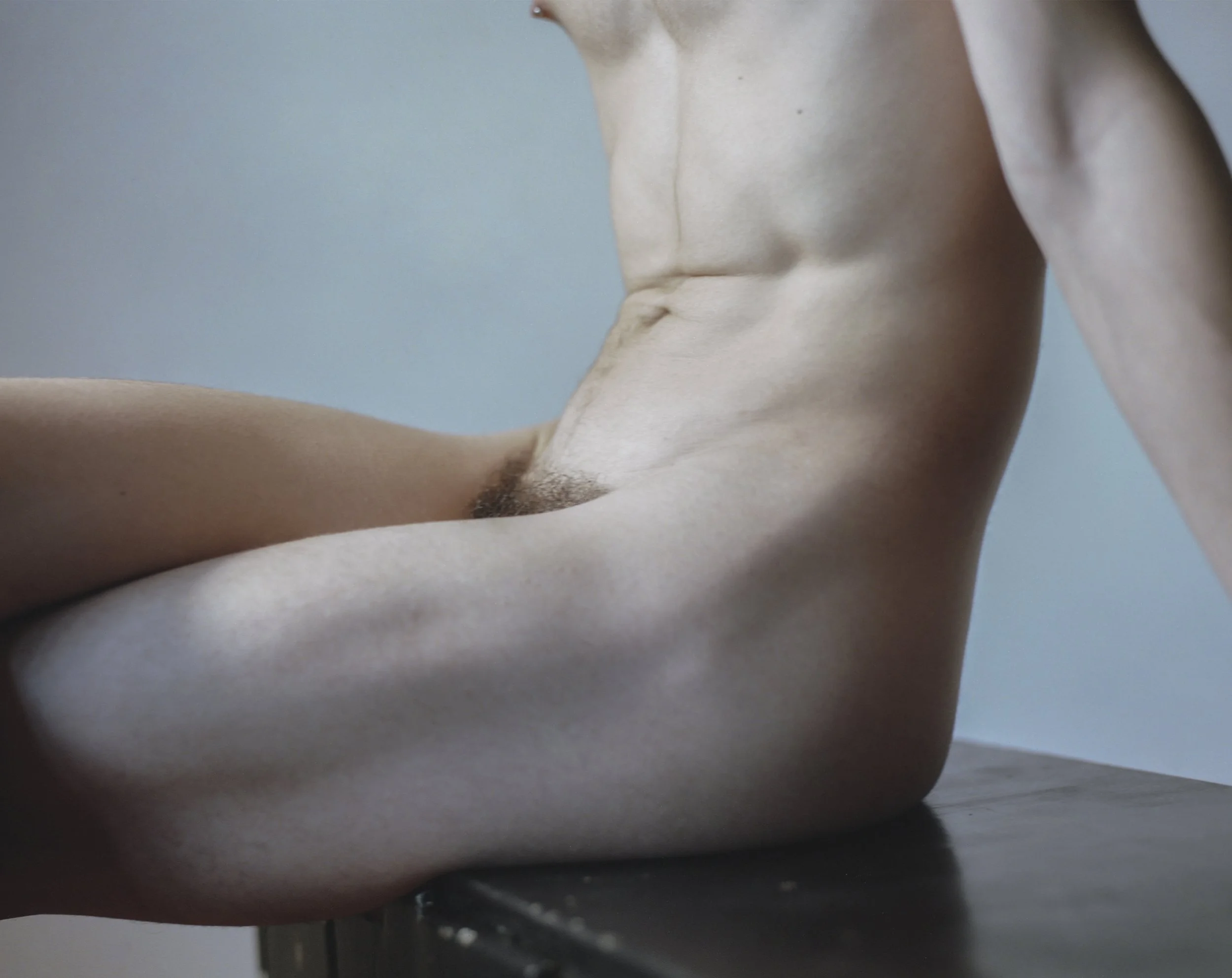

There is a guest.
How we perceive permission shapes the images we can take. This raises questions about access, friendship, privacy, and desire on photography.
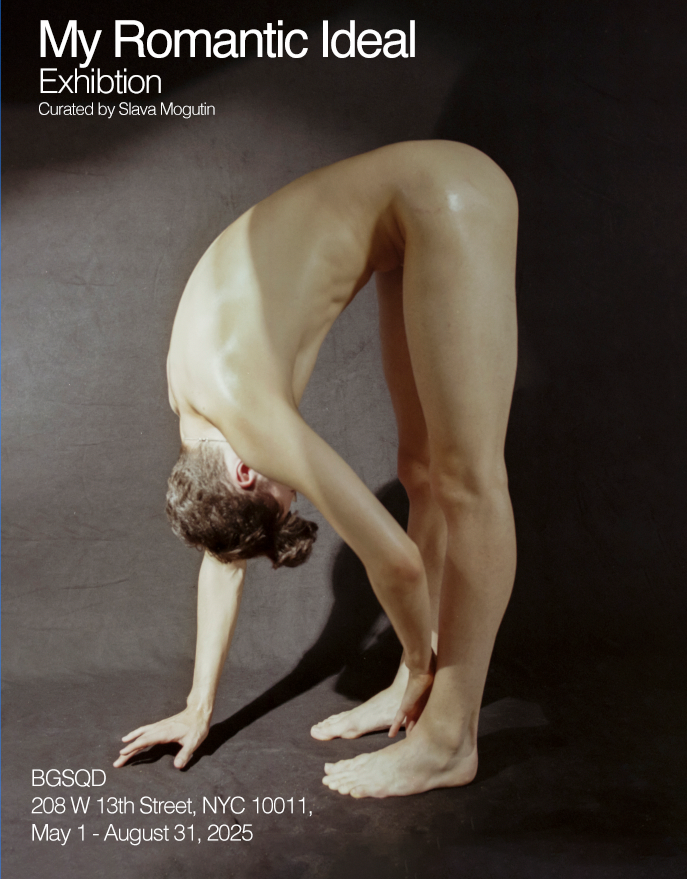
Romantic Ideal.
Exhibition May - August 2025
This is one of the works I contributed to the show "Romantic Ideal", curated by Slava Mogutin in New York City and featuring a group of queer artists. This show holds special significance for me because it is friendship in a shared community that brought together the artists. Beyond the complexities of queer love, desire, and identity explored in the exhibition, friendship—and the radical act of reclaiming its meaning—feels essential to building a sense of belonging.
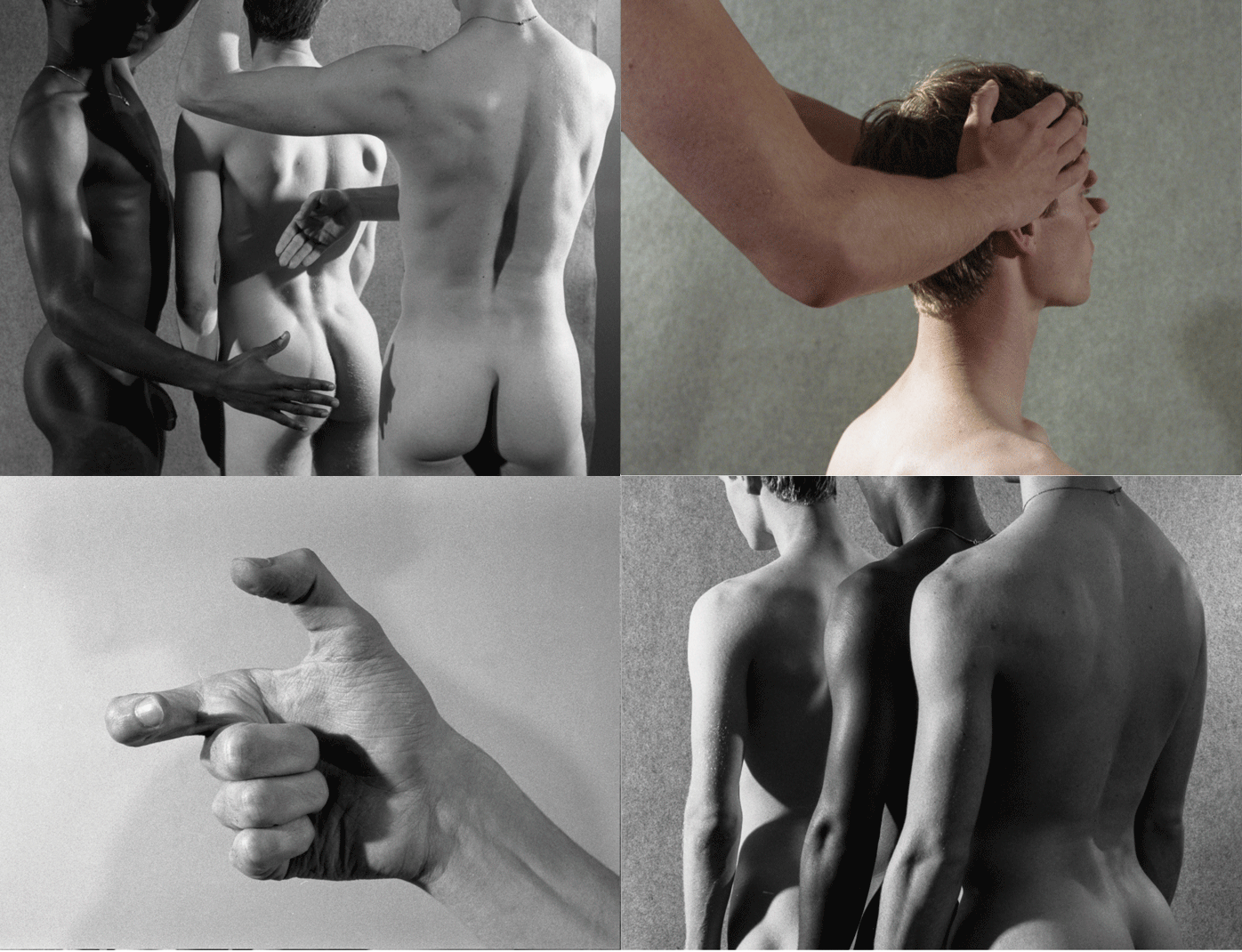
Vencer. Redlist Magazine #5. July 2025
This series of images is part of the project "Vencer," published in Redlist magazine in July 2025. This work investigates the commodification of the male body for the purposes of war. The series addresses how, through the process of conscription, the subject loses control of his own body, which becomes just another tool, leaving him only his emotions as his own.
The photographs are accompanied by two articles written by Alexander Schneider and Daniel Borrillo for this project, inviting further reflection on the subject.
In Construction
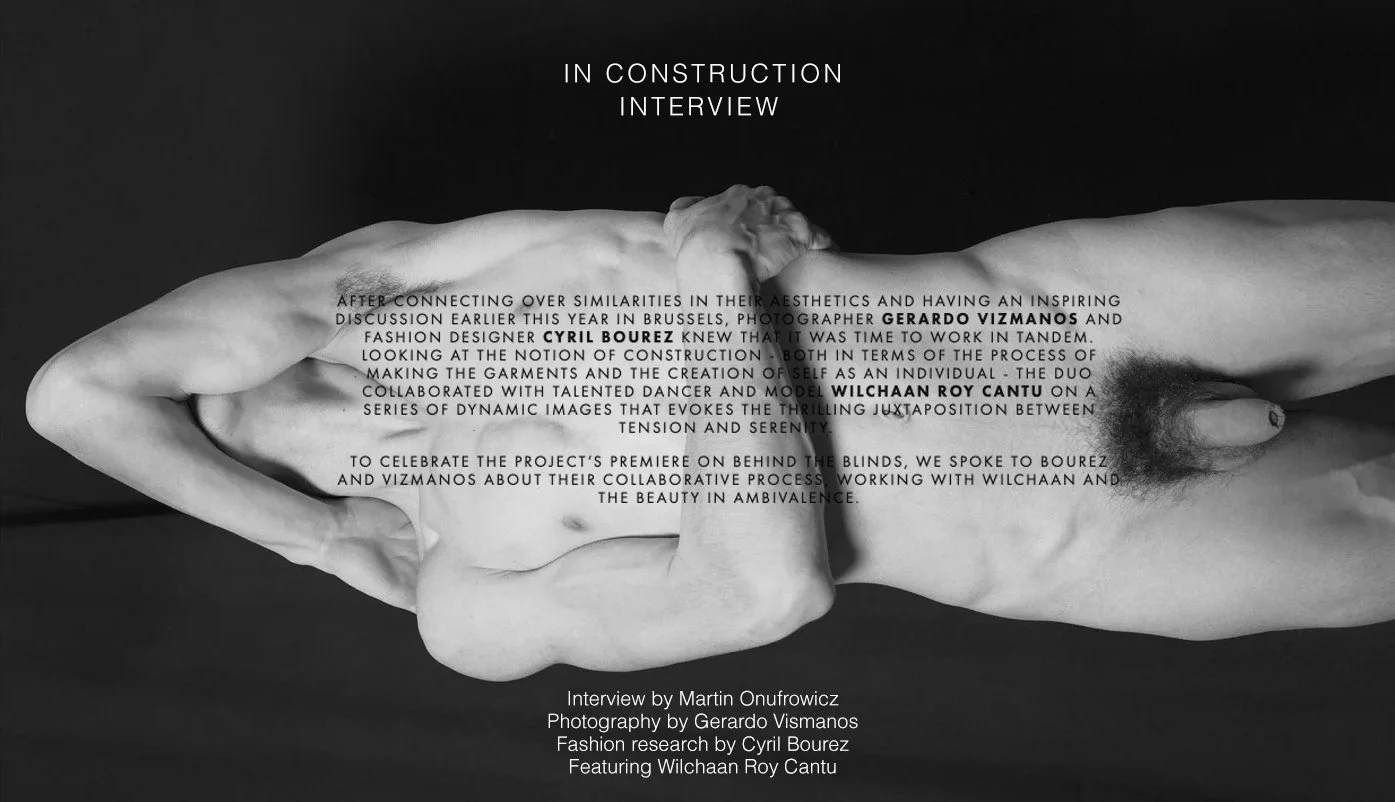
The magazine Behind the Blinds published a conversation between me and the fashion designer Cyril Bourez in Brussels, around the notion of construction - both in terms of the process of making the garments and the creating of self as an individual - in collaboration with the dancer and model Wilchaan Roy Cantu on a series of dynamic images we shot the three of us together that day in Brussels.

Self Portrait
Every photograph has an element of self-portrait of the person who takes it or, rather, of the person who thinks of it or of the person who exhibits it. Taking a photograph of oneself does not have to be a self-portraiture of the person who activated the mechanism of a camera; it can be of someone else, even if it is not their body that is represented. What makes an image a self-portrait often has more to do with the reality of the person directing the representation than with that of the person being represented. Maybe, every expression of art has an unavoidable element of self-portraiture.
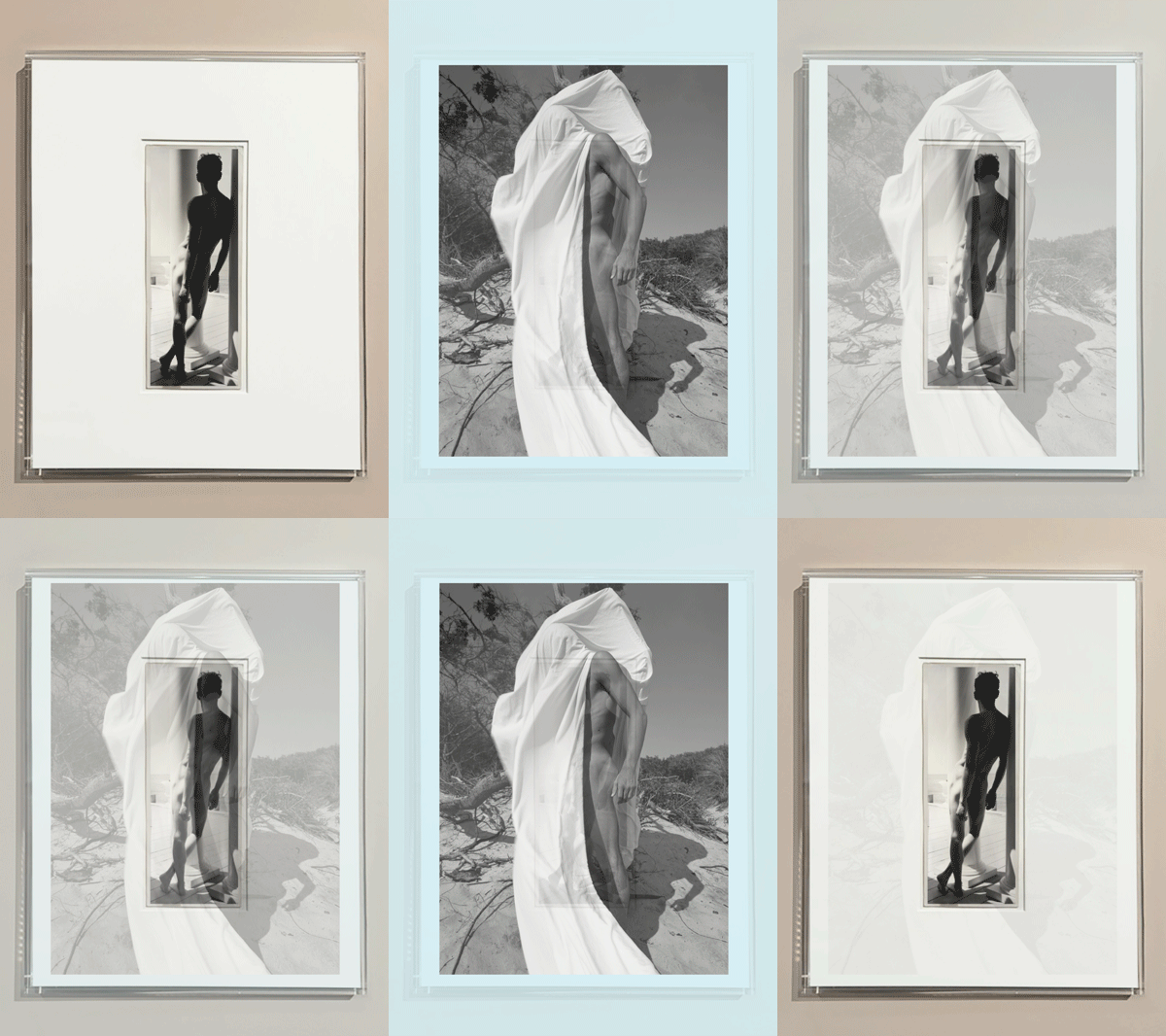
Article about utopia and photography.
In this article, I explore how photography allows me to understand utopia as a field of possibility and a means to pursue freedom.

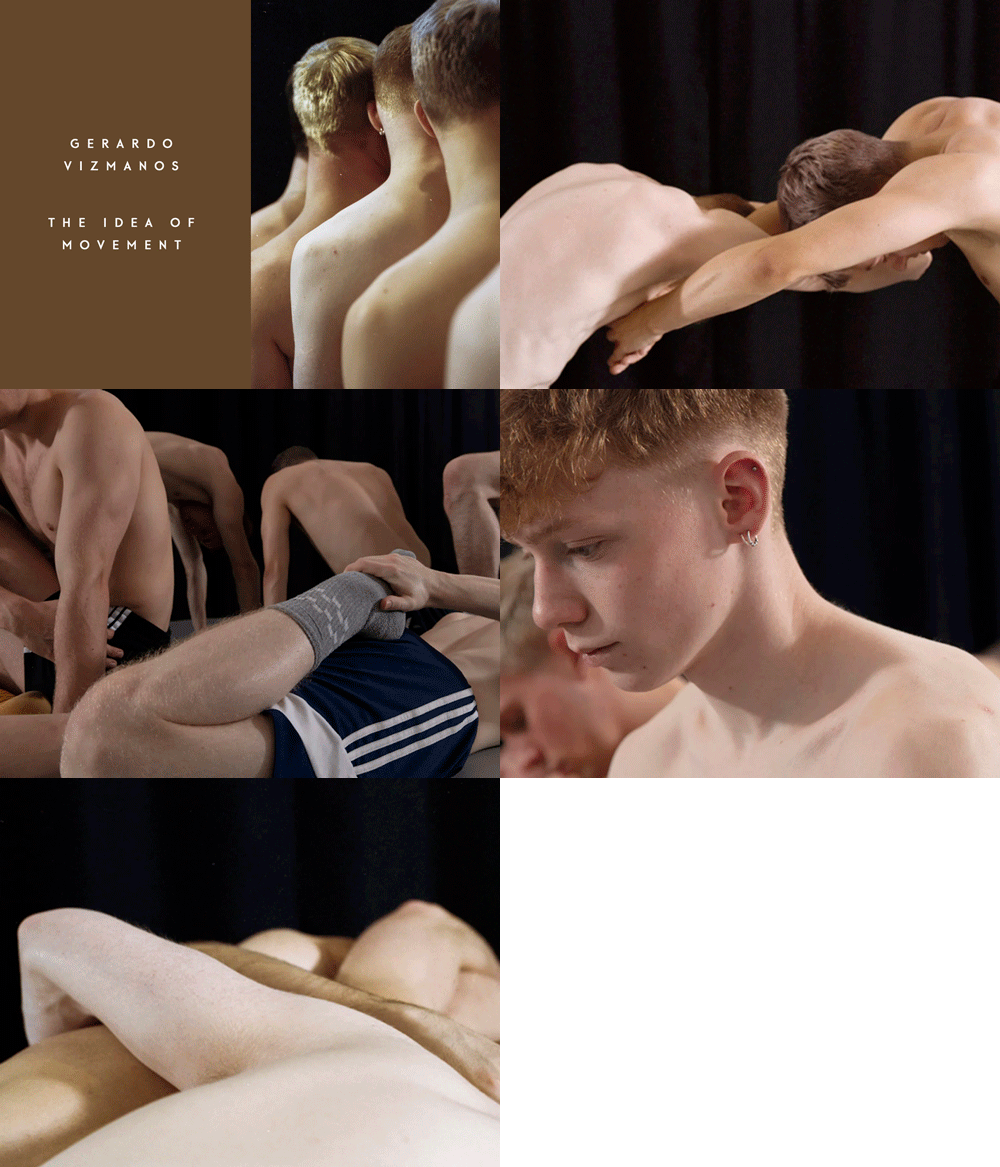
Interview Metal Magazine
Focusing on the idea of movement rather than movement itself – “often, the dancers are not moving when I photograph them”–, I also explore themes like youth, desire, hesitation and the unknown through the subjects, usually transitioning from dance school to the professional world.
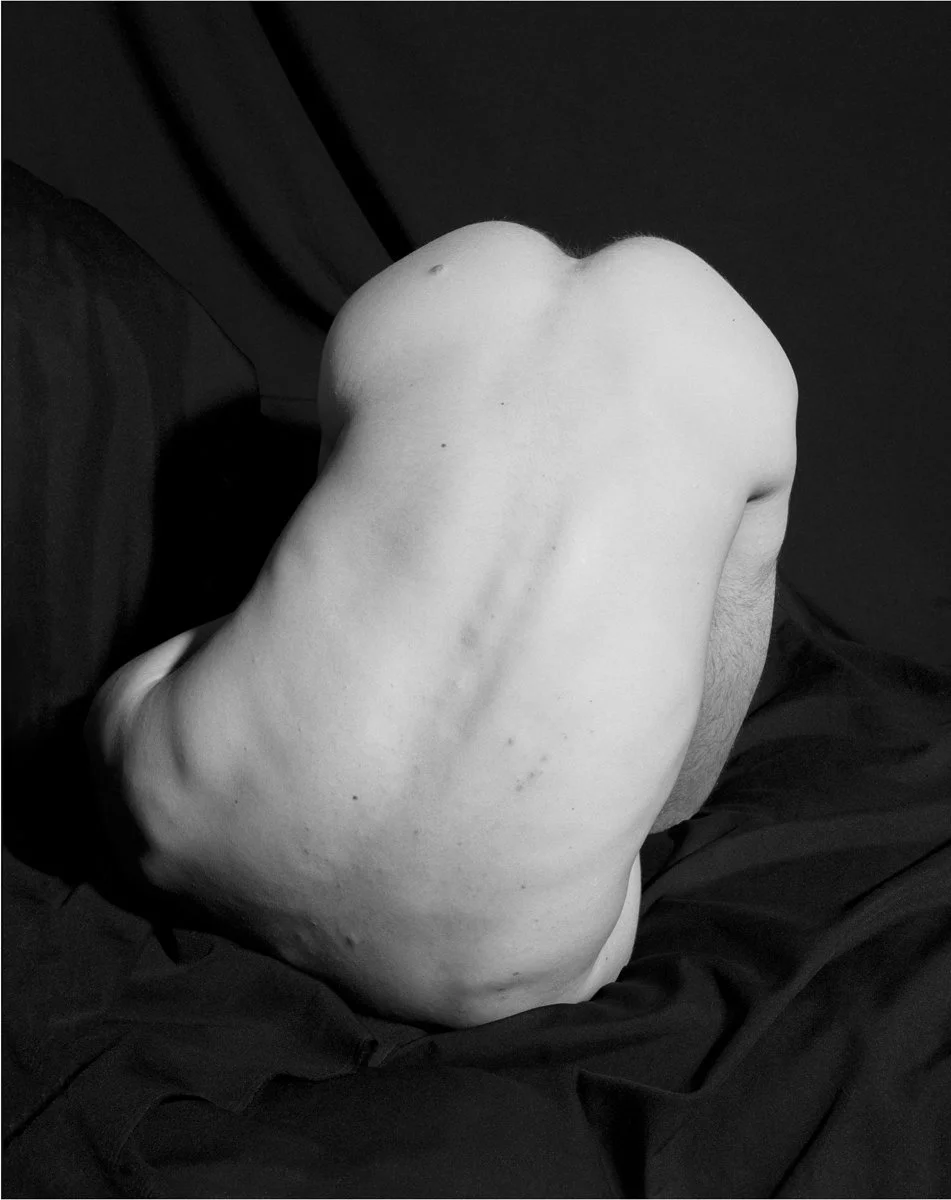
Back Home. Exhibition
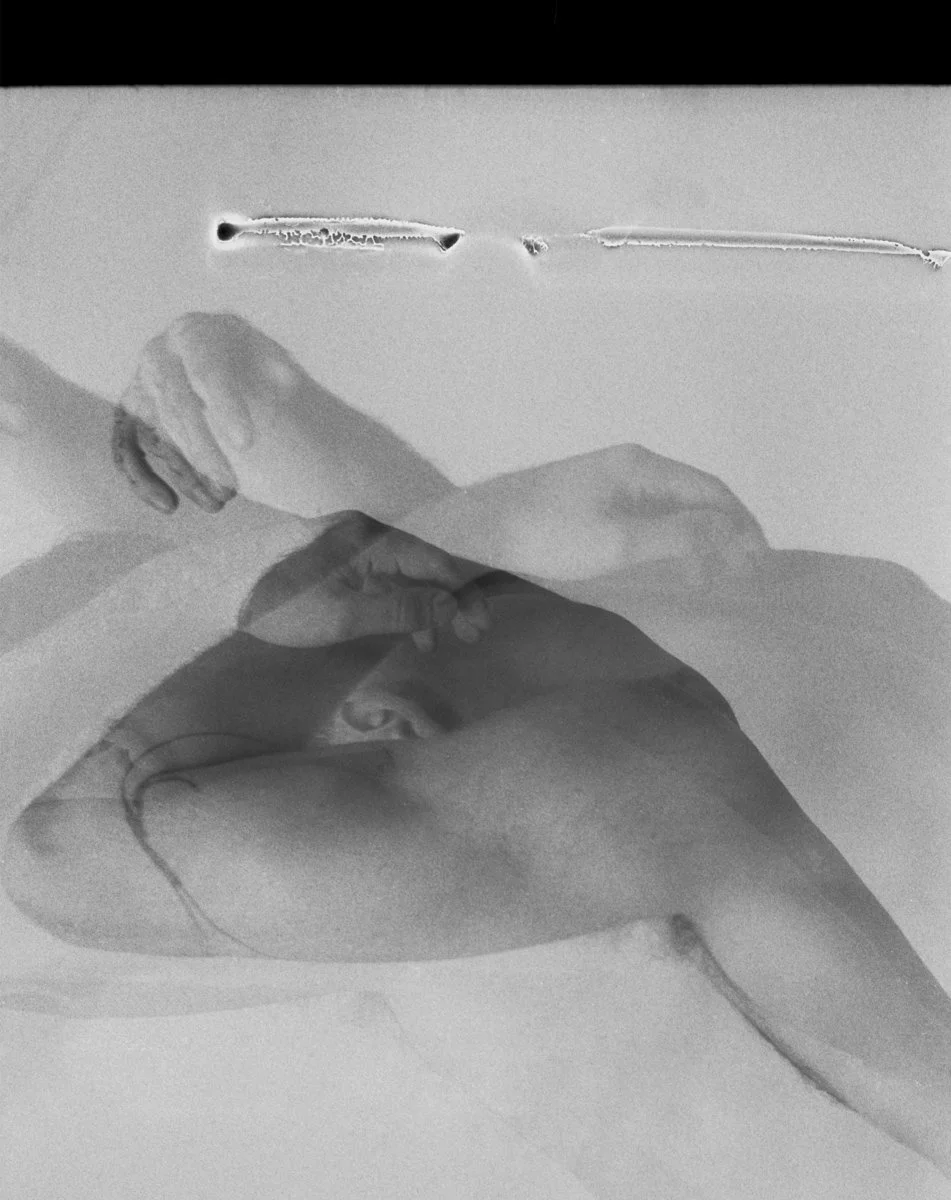
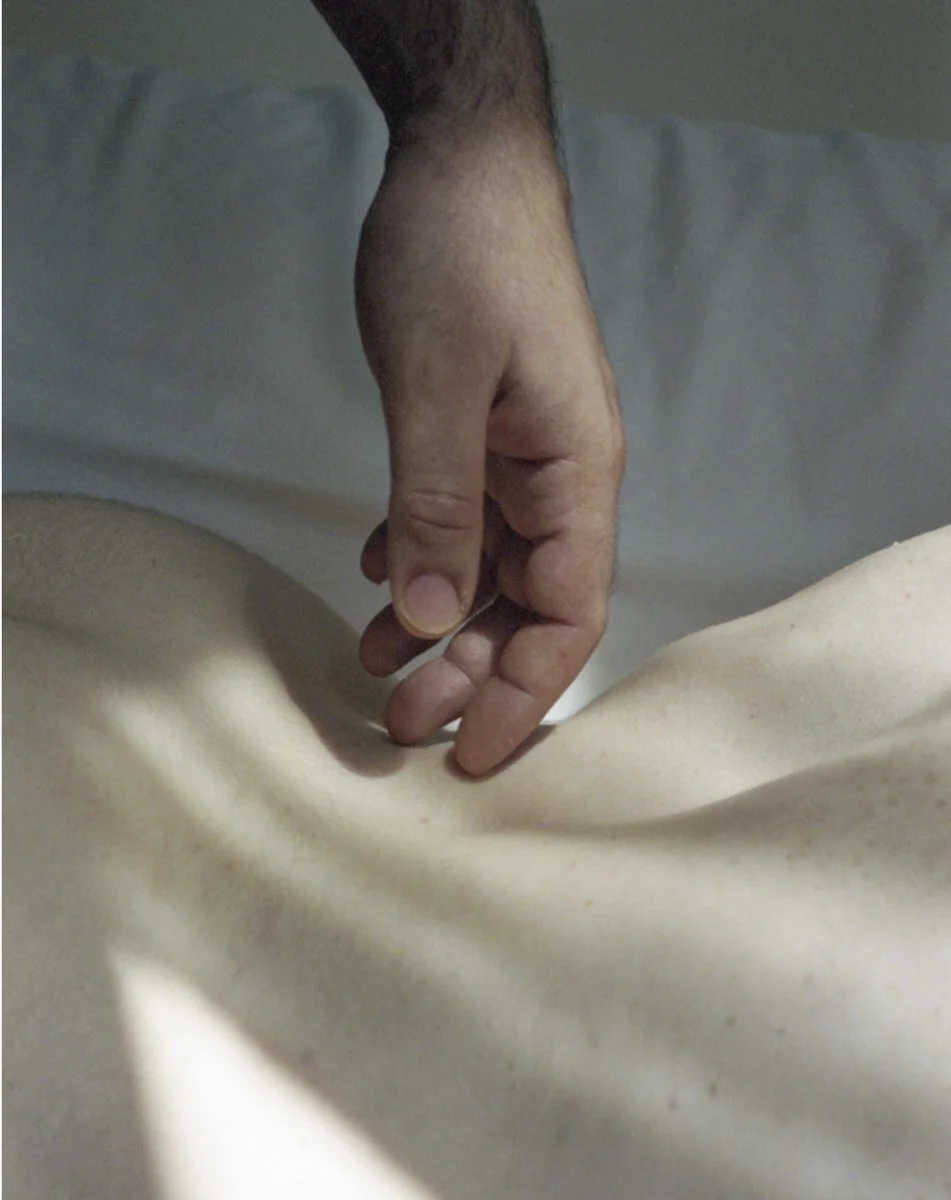
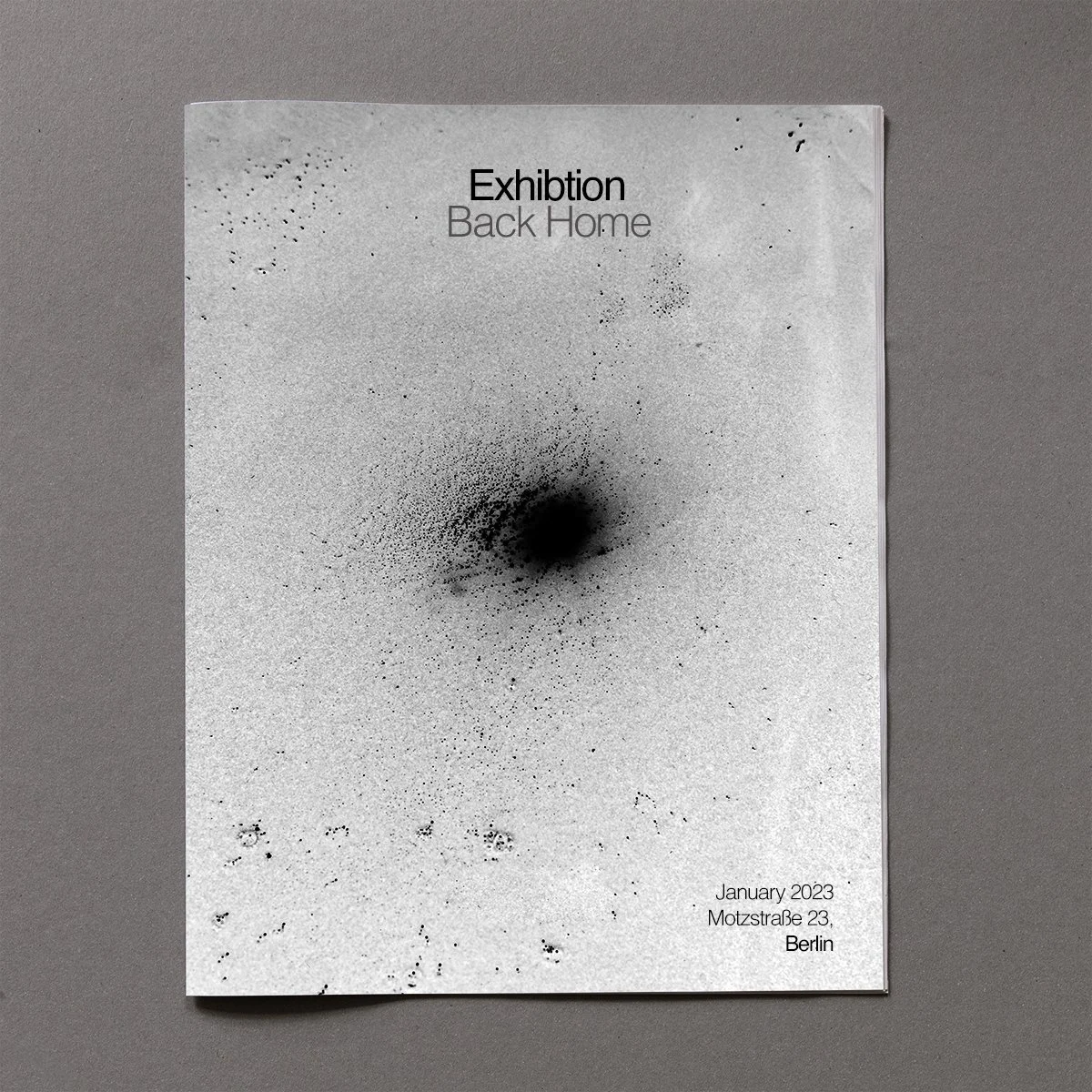
Sometimes life is a succession of moves in which homes come and go, making one feel as if one is always coming back, without knowing if this is being at home or being back home. The places where we have lived, the people we have met and the things we have done, are part of those homes in the form of memories and when we return to one of them, we have the feeling of missing them at the same time that we have them with us.
Berlin. January 2023

Hidden Subject. Exhibition March 2017
This is my first solo exhibition, which presents various images of presence and absence of the subject in my work.
New York. March 2017
Interview Wul Magazine

Montreal
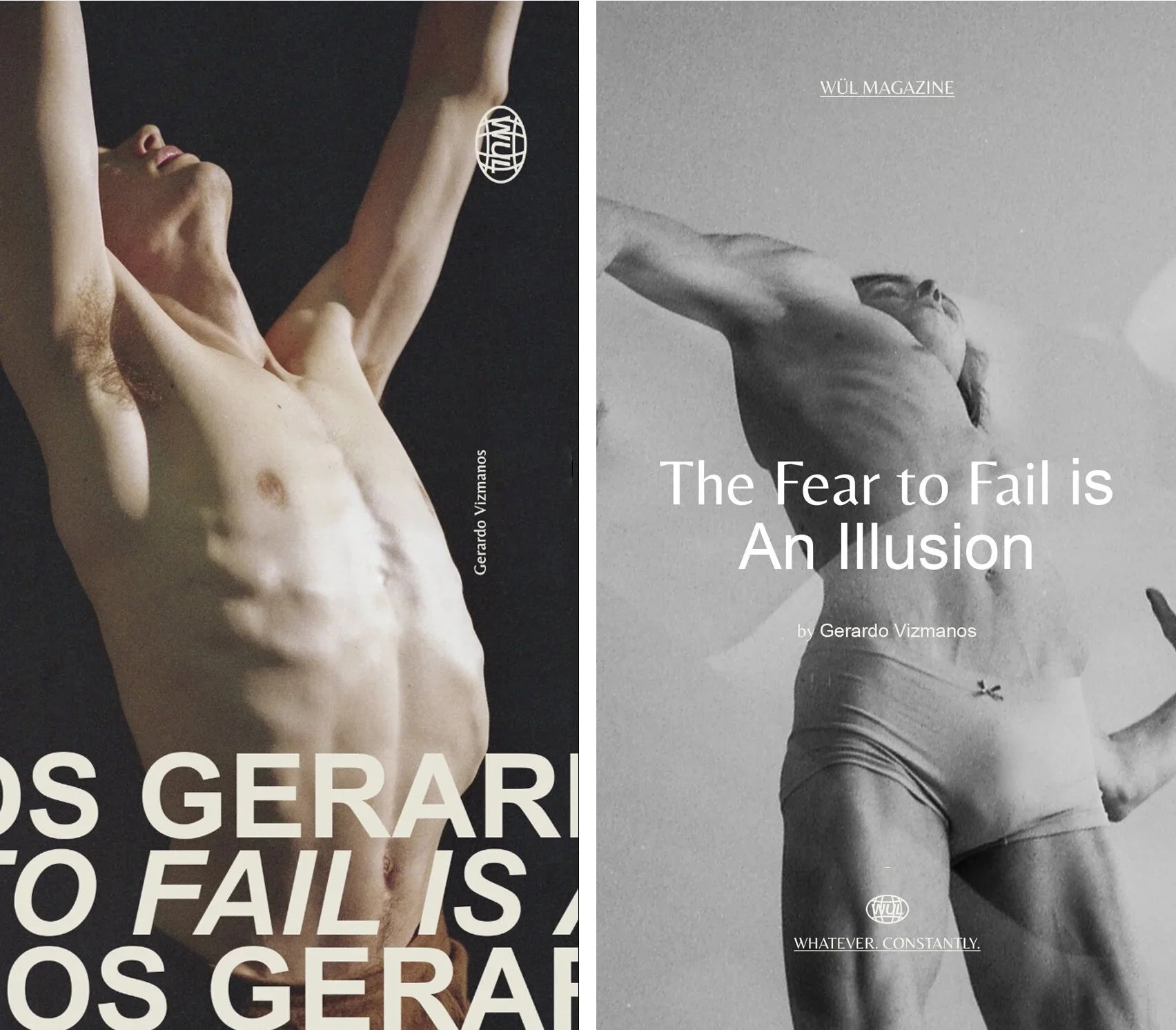
There are moments when we inhabit a space without recognizing the possibilities of the privilege of living with curiosity, unencumbered by the weight of knowing too much. Perhaps this is something we can only see later, with the connections and tensions that were already there, after certain hopes have crystallized into memory once everything changed.
What photographs reveal about the past often matters more than what they actually show. They hold what was invisible then but is clear now, just as they preserve what was once vivid but has since vanished.
What dance can be
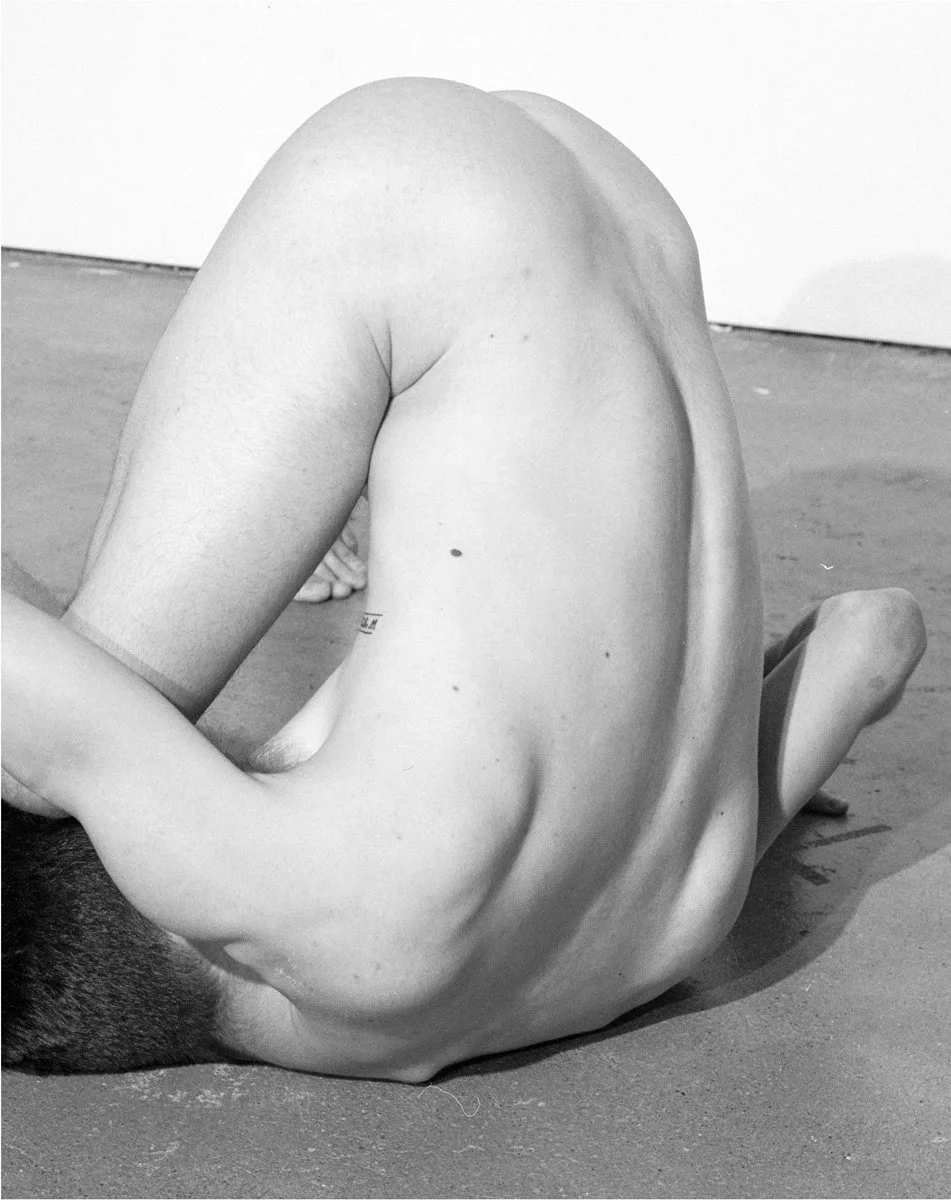
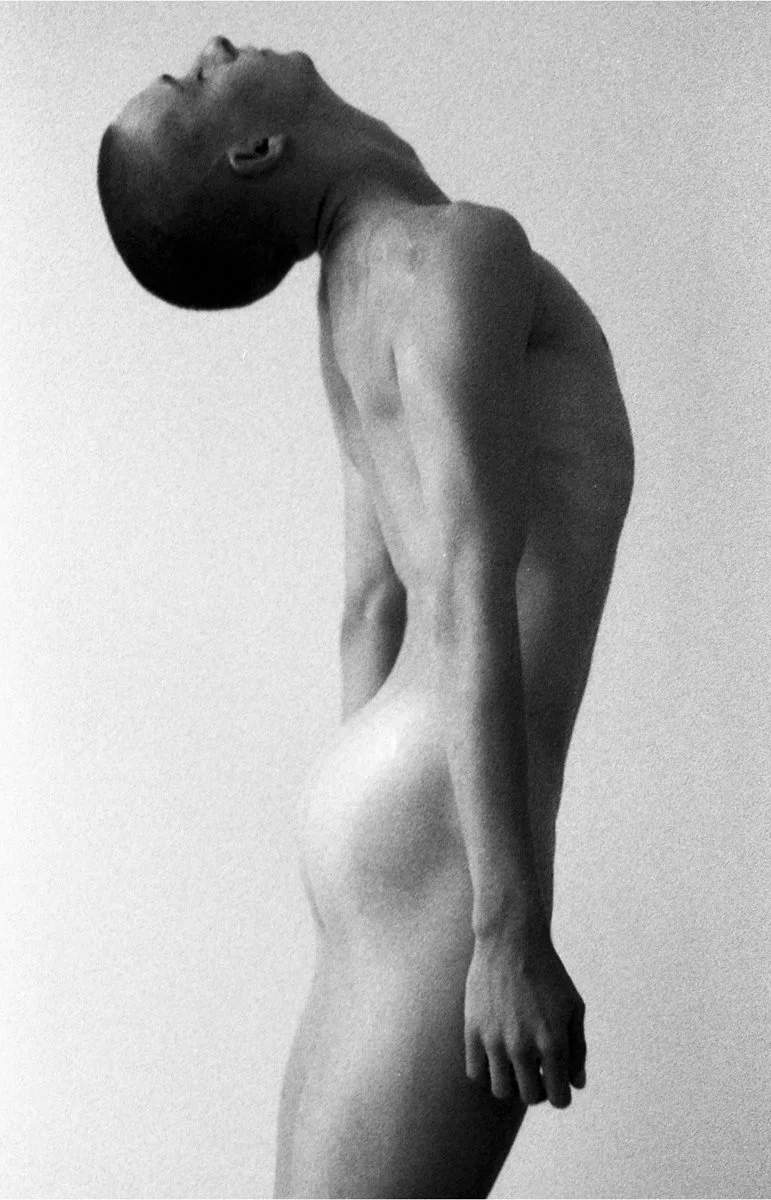
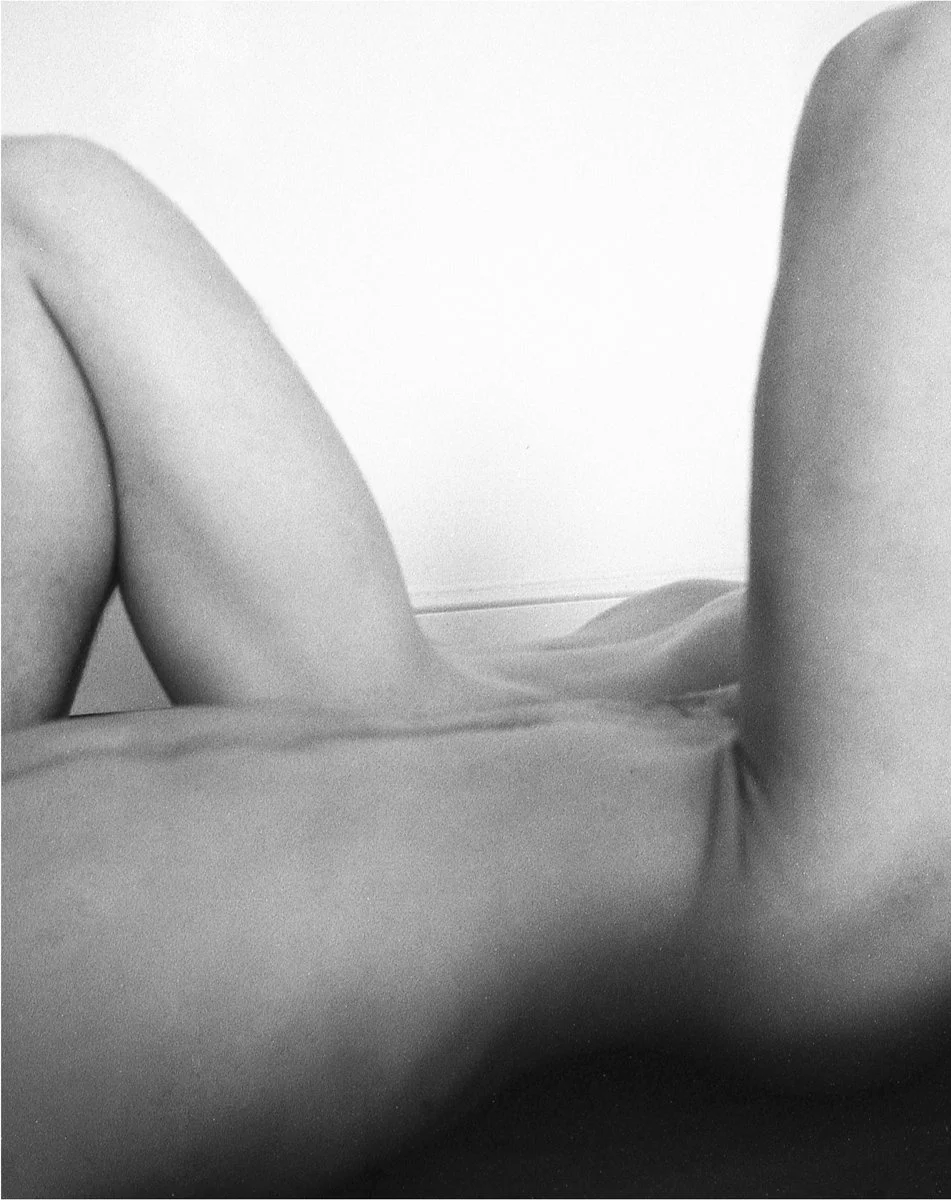
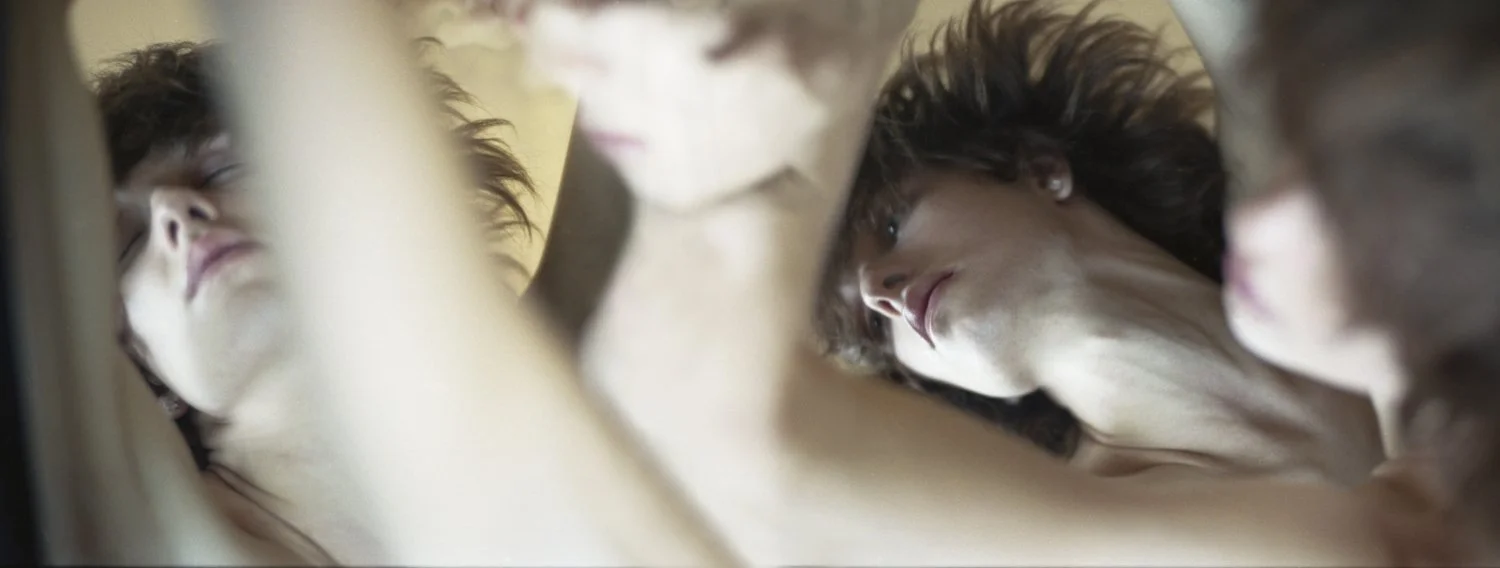
There is a time when the body is simply a body. It moves freely, unburdened by the expectations of how it should look, behave, or perform.
Sometimes the body has the privilege of inhabiting space without measuring itself against the gazes of others.
Inhabiting the margins, away from public scrutiny, moving free of self-conscious control and societal expectation. Movement is unfiltered, following an easy choreography, arising from the desire to act spontaneously without any pressure to conform. The moment when we grasp the intimacy of gesture and the subtle language of posture and rhythm, when the body is connected, feeling free of negotiation and, again, innocent.

18. Gayletter Magazine
This article in Gayletter was published on the occasion of the launch of my series of photography booklets entitled “18.” with photos about the male figure. Young models (mostly dancers) are posed beautifully, arms stretched, bodies bent and twisted so muscles and bones can be seen. At 18, children become adults. This idea comes through in the photographs, “When I work with some young models, I see an idealization of the memory of my own youth, not what I was, but probably what now I’d want it to be back then.”
By Michael Morris for Gayletter.
All rights reserved. All images, text, and content on this website are protected by copyright law. Contact here to request authorization for reproduction, distribution or use.
©2026